

///
- Easy integration into existing machines thanks to standardized protocols
- Alerting when limit values are exceeded reduces response time by up to 70%
- New service models (equipment-as-a-service) through data-driven approaches

A leading provider of mobile refrigeration and air-conditioning solutions specializes in temporary use of equipment where speed and flexibility count.
Mobile refrigeration systems are self-sufficient systems that must work reliably on site without operation - remote monitoring should be integrated for this purpose.
All devices were equipped with a gateway that reads the data points via Modbus TCP and sends them continuously via mobile radio.
Status signals from compressors, pumps and sensors are visualized and monitored. An alarm is triggered and sent if a limit value is exceeded.
By using the Visualys IIoT platform, the provider can offer optimized services to its customers and increase the availability of the devices.

A global company specializing in the construction of hydropower plants, dams and irrigation projects.
Networking and monitoring several pumping stations in an area of over 400 hectares.
All pumping stations were equipped with a mobile radio gateway and the data points were sent to the IIoT platform when values changed.
Real-time data enables 24-hour monitoring and surveillance. In addition, the pumping stations were specifically controlled from the platform to ensure the water supply.
By using the Visualys IIoT platform, the entire process could be optimized and made more efficient

A property manager of buildings in the municipal sector monitors energy consumption and fill levels of oil and gas tanks.
Consumption values of energy sources and the fill levels of tanks in various buildings are to be visualized, logged and an event triggered if limit values are exceeded.
Several gateways were equipped with digital and analog input signals and distributed throughout the buildings. Data is continuously sent via the local network and the DSL connection.
The platform logs all data over a large period of time and displays it on dashboards. Emails are sent when fill levels fall to avoid empty tanks.
With the help of the Visualys IIoT platform, consumption is visualized and made visible. The times for manual reading have been greatly reduced.
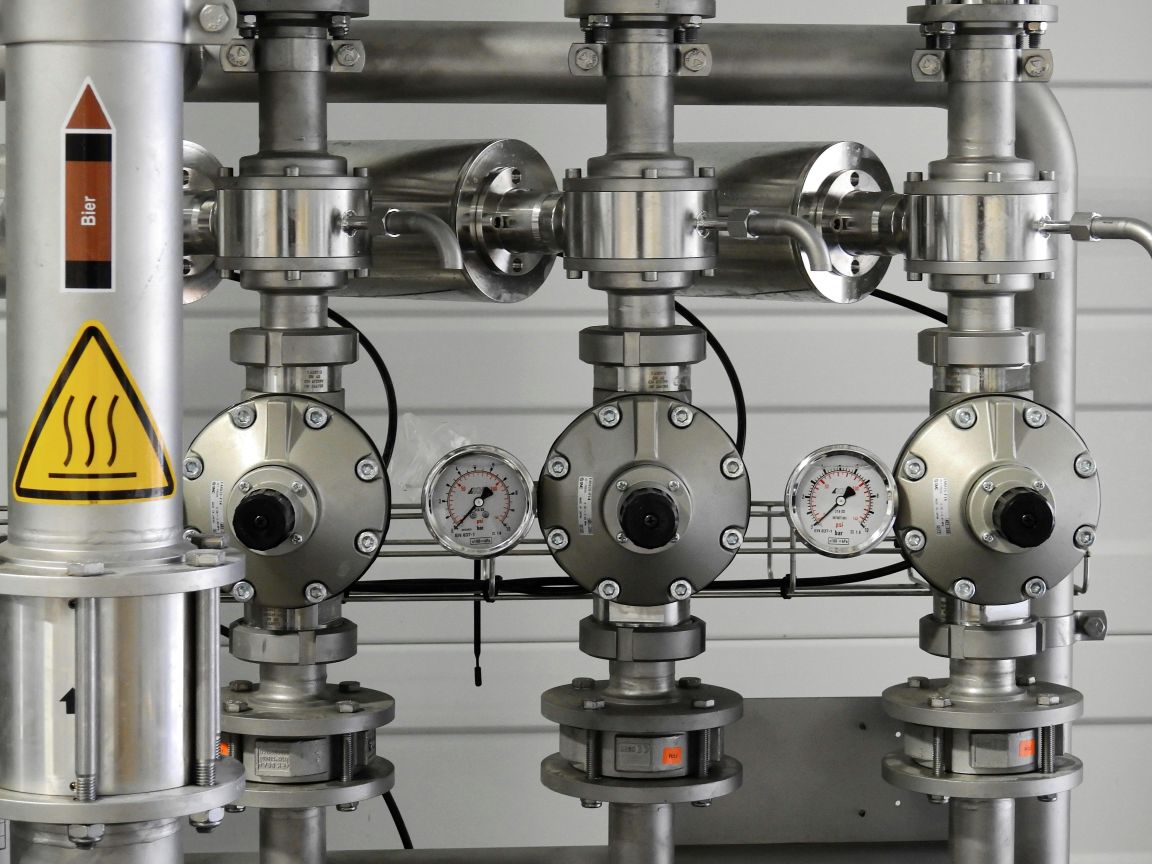
A supplier of chemical wastewater treatment plants wants to give customers access to the data so that they can track production values.
All processes in the cleaning operation must be carefully monitored and the process values recorded in a comprehensible manner, as the reports are to be used by the authorities.
The machines were equipped with routers that can send data in addition to remote maintenance. This means that action can be taken worldwide in the event of a fault.
All data is permanently stored in the platform when the value changes. The saved data is sent weekly as a report to the operator for documentation purposes.
With the combination of remote maintenance and data storage, several requirements could be combined well.

A manufacturer of machines for the food industry wants to network the machines in order to improve service and maintenance.
There are different machine types for over ten different applications for the production of sausage products. Machine maintenance is often less of a focus than production, which leads to downtime in the long term.
Each machine is equipped with a control system and has individual data points. All controllers are connected to a central gateway, which manages and sends the data points.
All data points are recorded individually for each machine type and provided with maintenance features. Maintenance requirements can be shown directly in the dashboard via the platform. The maintenance history is mapped for this purpose.
With the help of the platform, the service department can better plan and document customer deployments. Thanks to the central connection per customer, even small machines can be integrated.
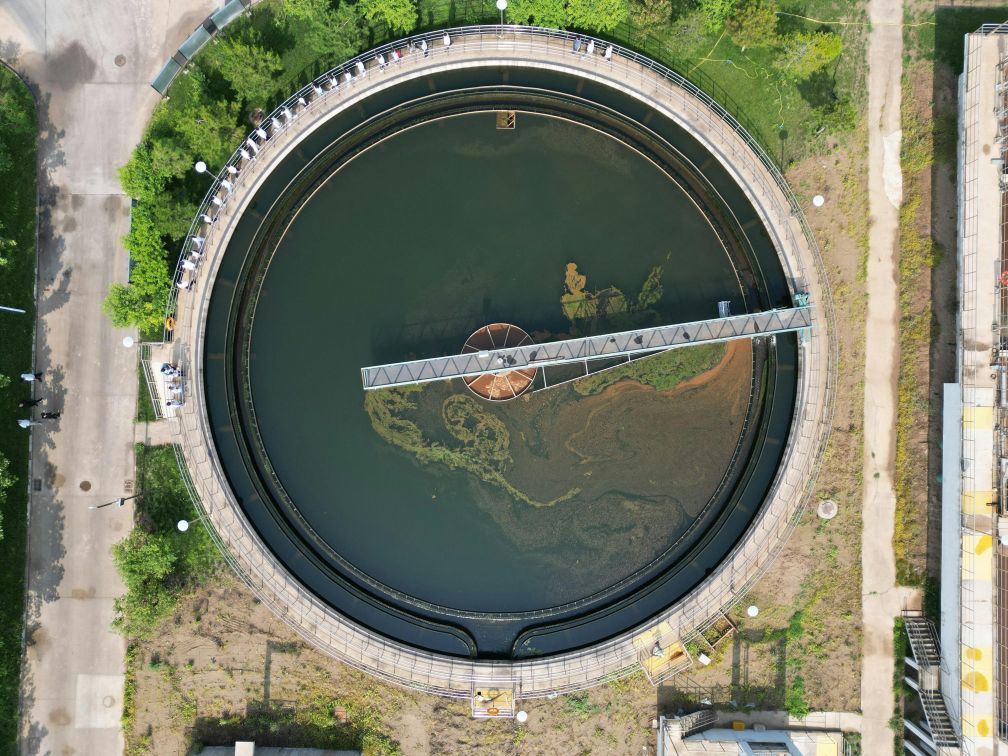
A service provider for mobile sludge dewatering provides dewatering as an individual service to its customers on a daily basis. The semi-stationary systems in container design operate autonomously for a limited period of time at different locations.
The systems must function 24 hours a day to maintain the performance of the wastewater treatment plant. These are billed to the customer per cubic meter. Remote diagnosis and alarm management must be ensured via mobile radio.
A mobile gateway is installed in each container, which contains a SIM card with roaming function and dials into the mobile network independently of the provider.
All data points that are delivered via the gateway are logged in the platform in order to be able to create a daily invoice. Push notifications are sent to the service technicians' smartphones if limit values are violated.
The Visualys IIoT platform provides the service provider with the data it needs to bill the production plant in a traceable manner.


